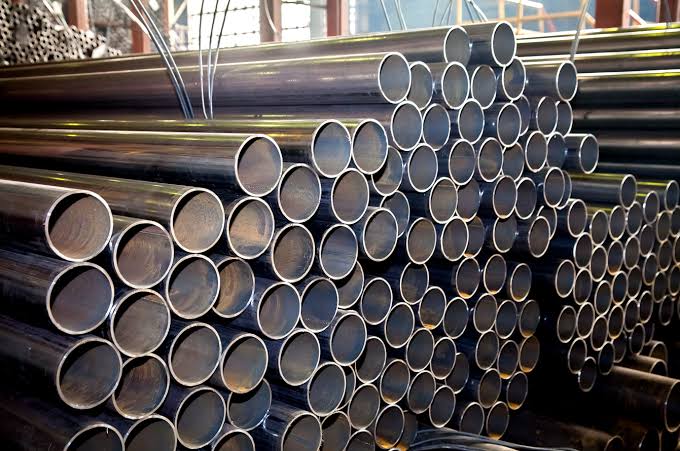
Profile Steel Tubes: Types, Sizes, and Applications | TRADEMETCOM
Profile steel tubes are among the most widely used steel products in the construction and manufacturing industries. Thanks to their high strength, lightweight design, and ease of installation, they are extensively used in construction, industrial projects, agriculture, and steel fabrication. Today, profile tubes are commonly used for building frames, canopies, fences, warehouses, greenhouses, furniture, and many other structures.
TRADEMETCOM offers a comprehensive selection of profile steel tubes in various sizes and wall thicknesses, with delivery available throughout Tashkent and across Uzbekistan.
What Is a Profile Steel Tube?
A profile steel tube is a metal tube with a square, rectangular, or other non-circular cross-section. This shape provides greater structural rigidity while using less material than solid steel sections.
Profile tubes are manufactured from high-quality structural steel using hot-forming or cold-forming processes, followed by either welded or seamless production methods.
Main Types of Profile Steel Tubes
Square Profile Tubes
Square profile tubes are the most common type. They offer equal strength in all directions, making them ideal for manufacturing frames, columns, steel structures, fencing, and load-bearing components.
Popular Sizes
- 20 × 20 mm
- 25 × 25 mm
- 40 × 40 mm
- 50 × 50 mm
- 80 × 80 mm
- 100 × 100 mm
Rectangular Profile Tubes
Rectangular tubes are designed for structures that experience loads primarily in one direction. Their shape reduces the overall weight of a structure while maintaining excellent strength.
Most Popular Sizes
- 40 × 20 mm
- 50 × 25 mm
- 60 × 40 mm
- 80 × 40 mm
- 100 × 50 mm
- 120 × 60 mm
Galvanized Profile Tubes
Galvanized profile tubes feature a protective zinc coating that prevents corrosion. They are ideal for outdoor structures or applications exposed to moisture and harsh environmental conditions.
Standard Profile Tube Sizes
When selecting profile steel tubes, it is important to consider both the cross-sectional dimensions and the wall thickness.
| Size | Wall Thickness |
| 20 × 20 mm | 1.5–2 mm |
| 25 × 25 mm | 1.5–3 mm |
| 40 × 20 mm | 1.5–3 mm |
| 40 × 40 mm | 2–4 mm |
| 60 × 40 mm | 2–4 mm |
| 80 × 80 mm | 3–6 mm |
| 100 × 100 mm | 4–8 mm |
The appropriate size depends on the expected load and operating conditions.
Advantages of Profile Steel Tubes
Profile steel tubes are highly popular due to their many benefits.
High Strength
Their cross-sectional shape provides excellent resistance to bending and deformation.
Cost Efficiency
Strong structures require less steel, reducing overall project costs.
Lightweight
The hollow design makes profile tubes significantly lighter than solid steel sections.
Easy Installation
Flat surfaces simplify welding, cutting, bolted connections, and painting.
Long Service Life
When properly protected and maintained, profile steel tubes can last for decades.
Where Are Profile Steel Tubes Used?
Profile steel tubes are used in a wide range of industries.
Construction
They are commonly used for manufacturing:
- Steel building frames
- Warehouses
- Industrial buildings
- Canopies
- Awnings
- Staircases
- Columns
- Floor and roof structures
Steel Structure Fabrication
Profile tubes are widely used for producing:
- Roof trusses
- Structural supports
- Advertising structures
- Pavilions
- Industrial hangars
- Bus shelters
Fencing Systems
Profile tubes are an excellent choice for manufacturing:
- Fences
- Gates
- Garden gates
- Protective barriers
Agriculture
They are commonly used in the construction of:
- Greenhouses
- Hotbeds
- Storage facilities
- Equipment shelters
- Livestock buildings
Furniture Manufacturing
Profile tubes are widely used to produce:
- Shelving units
- Retail display equipment
- Office furniture
- Metal tables
- Chair frames
- Loft-style furniture
How to Choose the Right Profile Steel Tube
Before purchasing, consider several important factors.
Intended Application
Small cross-sections are suitable for lightweight structures, while load-bearing applications require larger profiles with thicker walls.
Wall Thickness
The greater the expected load, the thicker the tube wall should be.
Operating Conditions
For outdoor use, galvanized profile tubes or high-quality anti-corrosion protection are strongly recommended.
Connection Method
If the structure will be welded, choose tubes with accurate geometry and smooth surfaces to ensure high-quality welds.
Why Choose TRADEMETCOM?
TRADEMETCOM supplies a wide range of profile steel tubes for private customers, construction companies, and industrial enterprises.
Our Advantages
- Extensive range of sizes
- High-quality steel products
- Competitive pricing
- Products available from stock
- Professional material selection assistance
- Fast delivery throughout Tashkent and all regions of Uzbekistan
We handle both small individual orders and large wholesale shipments.
Frequently Asked Questions
Which profile tube sizes are the most popular?
The most commonly used sizes are 20 × 20 mm, 40 × 20 mm, 40 × 40 mm, 60 × 40 mm, and 100 × 100 mm.
Which profile tubes are best for building a canopy?
For small canopies, 40 × 40 mm or 60 × 40 mm profile tubes are typically sufficient. Larger structures require larger cross-sections selected according to engineering load calculations.
What is the difference between square and rectangular profile tubes?
Square tubes provide equal strength in every direction, while rectangular tubes perform more efficiently when loads are applied primarily along one axis, allowing the overall structure to be lighter.
Conclusion
Profile steel tubes are a versatile steel product that combines strength, durability, and ease of installation. Their wide variety of sizes and shapes makes them suitable for construction, steel fabrication, furniture manufacturing, agriculture, and many other industries.
At TRADEMETCOM, you can purchase high-quality profile steel tubes in a wide range of sizes at competitive prices. Our specialists will help you select the best solution for your project and arrange fast delivery throughout Tashkent and across Uzbekistan.